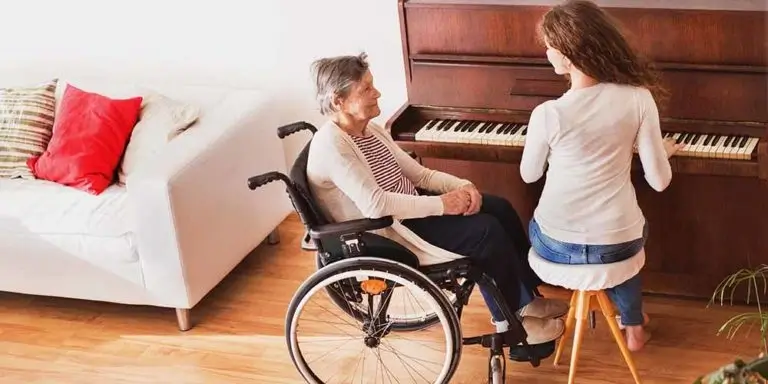

Anyone who provides substantial care to another person is at high risk of burnout and stress. This is especially true for those who care for people living with dementia because of how unpredictable each day can be. Caregiving is a hard job for family care partners and professionals alike. It is imperative to take stock of one’s mental health and stress level, and to dedicate time to whatever rejuvenates you.
Self-care looks different from person to person. For some, it means getting a massage, taking a fitness class, or sitting quietly outside. For others, it’s spending time with loved ones, going to church, participating in a book club, or listening to music while on a scenic drive.
Hurdles to Self-Care
One life category sometimes gets in the way of allowing ourselves adequate time to recharge: chores and errands. When you’re spending every daytime hour caring for another person, you tend to put your own needs aside, and these tasks pile up.
It can be hard to enjoy free time when laundry and mail is begging for attention, there’s grocery shopping to be done, the dog needs bathing, and kids’ school projects need supervision. In this case, there are only two solutions: pay for help or ask for help.
Anyone who must pinch their pennies will frown at fees associated with restaurant delivery, online grocery shopping, laundry service, and professional housecleaning. But when your mental health is at stake, will that inspire you to budget for some of these services once in a while? Think of what you could do for yourself with the time you save by hiring help in some areas.
If your budget doesn’t allow for paid relief, build your own helpful community. Seek out a few friends/neighbors with a shared situation and discuss ways to help one another find time for self-care. This might look like trading hosting duties for kids’ playdates to ensure each parent gets a free Saturday off. Are there common errands you can knock out? Is one person a good seamstress for the group while another can cook bulk meals in advance?
Support Groups
Support groups are helpful for many because they connect people who have a shared experience. If a friend has tried to show sympathy to you and you felt like saying, “You just don’t understand,” you may benefit from attending a support group. Hope Hospice has a group specifically for family caregivers of loved ones with dementia. You can also find groups through MeetUp.com, a senior center, the Family Caregiver Alliance, and the Alzheimer’s Association.