
We have a new look, but our mission is still the same. Learn More.
Our Organizations


Flu prevention for seniors is more important than ever. According to the Centers for Disease Control, people 65 years and older account for between 50 and 70 percent of reported influenza-associated hospitalizations.
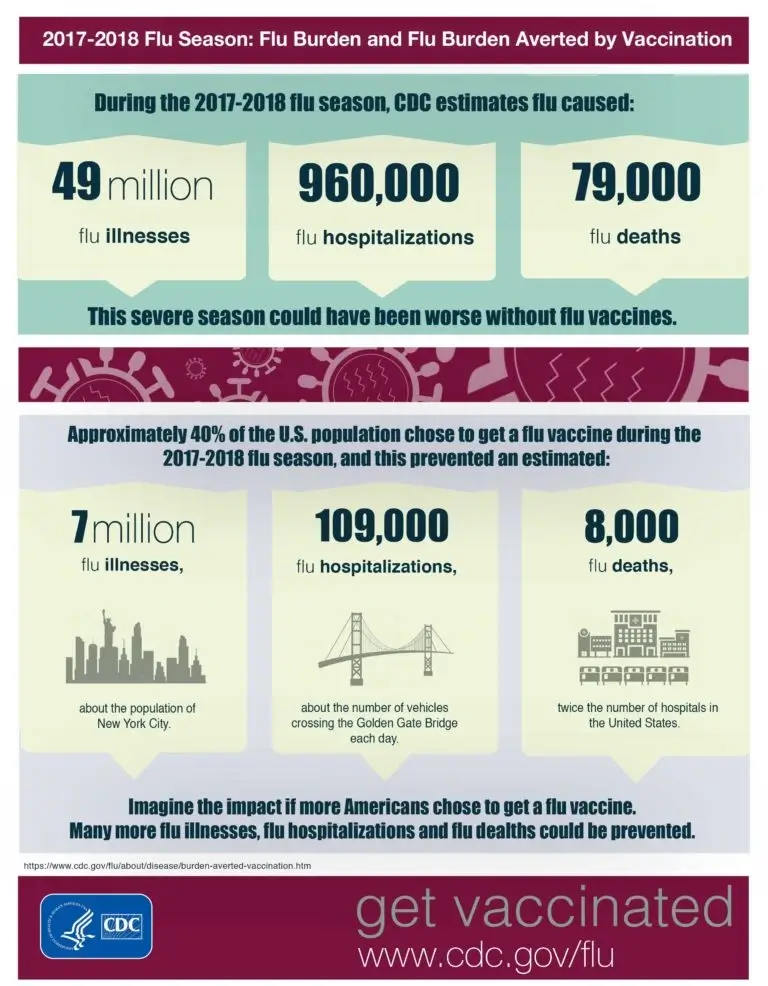
Overall, flu hospitalization rates during the 2017–2018 flu season were the highest ever recorded. Vaccination is the single best way to help protect against the flu and is especially important for older adults. Flu vaccine saves lives and prevents the serious complications that sometimes result.
Caregivers of all ages should get an annual flu shot and should take preventive measures, such as washing hands, staying away from people who are sick, and encouraging others to cover their coughs. But be aware that these preventative steps cannot replace vaccination when it comes to flu prevention, which is still the best method of protection.
You already know the common signs of influenza—body aches, sore throat, fever—but for people over age 65, it’s especially important to keep a close eye for worsening symptoms. If any of the following are observed, it’s time to seek urgent medical attention.
Cards and promos for other featured content.

Blog
We use cookies to improve your experience on our site. By using our site, you consent to cookies. Learn more by reviewing our privacy policy.
Manage your cookie preferences below:
Essential cookies enable basic functions and are necessary for the proper function of the website.
These cookies are needed for adding comments on this website.
Statistics cookies collect information anonymously. This information helps us understand how visitors use our website.
Google Analytics is a powerful tool that tracks and analyzes website traffic for informed marketing decisions.
Service URL: policies.google.com (opens in a new window)
You can find more information in our Cookie Policy and Privacy Policy.